Saving Your Smile from the Inside Out: A Guide to Root Canal Treatment
For many, the words Root Canal Treatment (RCT) can evoke a sense of fear or dread. However, this common dental procedure is a true tooth-saver, designed to repair and save a tooth that is severely decayed or infected. Instead of having the tooth removed, a Root Canal Treatment allows a dentist to eliminate the infection from the inside, alleviate pain, and restore the tooth’s function and appearance. It is a highly effective treatment that can prevent the need for more complex procedures like surgical tooth extractions and dental implants.
Dr. Minase’s Orthodontic Center & Dental Clinic in Nagpur
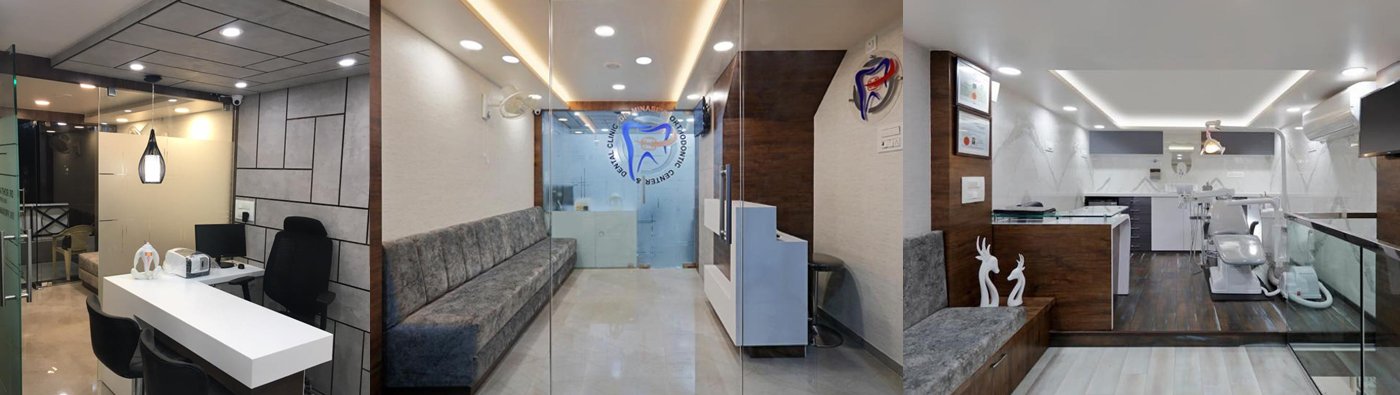
For leading dental care in Nagpur, Dr. Minase’s Orthodontic Center & Dental Clinic is a highly recommended choice. The clinic offers specialized services, including expert Root Canal Treatment, utilizing advanced techniques to ensure a comfortable and effective procedure. The experienced team provides a comprehensive range of services, from orthodontic treatment with teeth metal braces and clear aligners to smile designing and pediatric dentistry. Whether you need a simple procedure like a tooth colored filling or a complex one like a dental implant, Dr. Minase’s clinic is committed to providing personalized and high-quality care to help you achieve a healthy and beautiful smile.
Symptoms and Causes Requiring Root Canal Treatment
Symptoms
The need for a Root Canal Treatment is often accompanied by significant pain and discomfort. Common symptoms include:
- Severe toothache, especially when chewing or applying pressure.
- Prolonged sensitivity to hot and cold temperatures, even after the source is removed.
- Swelling and tenderness in the gums near the affected tooth.
- A small, pimple-like bump on the gums.
- A darkening or discoloration of the tooth.
Causes
The need for a Root Canal Treatment arises when the pulp inside a tooth becomes inflamed or infected. The pulp is the soft tissue at the center of the tooth that contains nerves, blood vessels, and connective tissue. Causes of this inflammation or infection include:
- Deep Decay: A cavity that has progressed so far that it has reached the pulp.
- Repeated Dental Procedures: Multiple dental procedures on the same tooth can cause irritation to the pulp over time.
- Trauma: A chip, crack, or fracture in the tooth can expose the pulp to bacteria, leading to infection.
- Physical Damage: Trauma to the tooth, even without a visible crack, can damage the pulp and cause it to die.
The Root Canal Treatment Procedure
A Root Canal Treatment is performed by a general dentist or an endodontist, a specialist in pulp and root issues. The procedure is typically done in one or two visits and is very effective at relieving the patient’s pain.
- Diagnosis and Anesthesia: The dentist will first take an X-ray to determine the extent of the infection. The tooth and the surrounding area are then numbed with a local anesthetic to ensure a pain-free experience.
- Access and Cleaning: A small opening is made in the top of the tooth to access the pulp chamber and root canals. The infected pulp is carefully removed from the canals using specialized instruments. The canals are then cleaned, disinfected, and shaped.
- Filling the Canals: Once the canals are clean, they are filled with a biocompatible material called gutta-percha. The opening in the tooth is sealed with a temporary filling to prevent further infection.
- Restoration: In a follow-up visit, the temporary filling is removed, and the tooth is restored. Because a tooth that has had a Root Canal Treatment can become brittle, a dental crown is often placed over it to protect it and restore its strength and function. This is a common part of a Crown and Bridges Treatment plan.
After the procedure, the tooth is no longer “alive” but can function normally and be preserved for many years.
FAQs about Root Canal Treatment
Q1: Is a Root Canal Treatment painful?
A: With modern anesthetics, a Root Canal Treatment is no more painful than getting a routine filling. The procedure is designed to relieve the pain caused by the infected pulp, not to cause pain. Any discomfort you might feel after the treatment can be managed with over-the-counter pain medication.
Q2: What is the orthodontic treatment cost for a Root Canal Treatment?
A: The cost of a Root Canal Treatment varies depending on the tooth’s location and the complexity of the case. Back molars, which have more canals, are generally more expensive to treat than front teeth. An affordable orthodontic consultation is the best way to get a precise cost estimate.
Q3: Can I avoid a Root Canal Treatment?
A: Once the pulp is infected, a Root Canal Treatment is the only way to save the tooth. The alternative is a surgical tooth extraction, which would then require a replacement tooth, such as a dental implant or a bridge, to prevent other teeth from shifting.
Q4: How long does a tooth with a Root Canal Treatment last?
A: A tooth that has undergone a Root Canal Treatment can last a lifetime with proper care. This includes routine brushing, flossing, and regular dental check-ups, as well as placing a dental crown to protect the tooth from fractures.
Q5: Can an orthodontist perform a Root Canal Treatment?
A: An orthodontist specializes in teeth straightening treatment and bite correction treatment. While they will evaluate the health of your teeth, they will typically refer you to a general dentist or an endodontist for a Root Canal Treatment.
