An overbite, often referred to as “buck teeth,” is a common type of dental malocclusion where the upper front teeth significantly overlap the lower front teeth. While a slight overbite is normal, a severe one can lead to a host of dental and health issues. Correcting it is a crucial part of Orthodontic treatment.
Dr. Minase’s Orthodontic Center & Dental Clinic, Nagpur
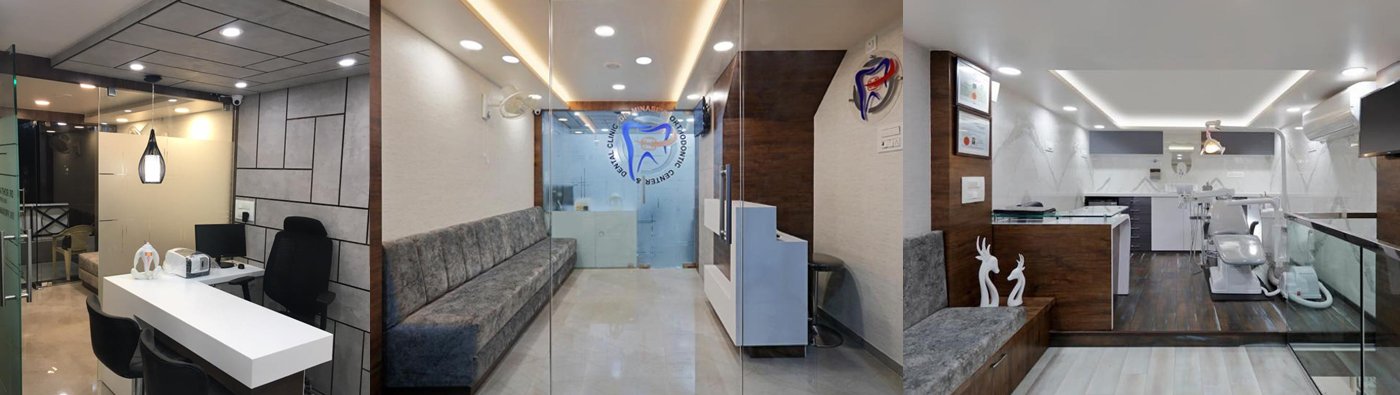
Dr. Minase’s Orthodontic Center & Dental Clinic in Nagpur is a prominent destination for comprehensive dental and orthodontic care. Led by expert Best Orthodontist and dental surgeons, the clinic offers a wide range of services from basic dental procedures like Tooth colored fillings and Root Canal Treatment to specialized Orthodontic treatment and Smile designing. They are well-regarded for their expertise in various treatments, including Teeth Metal Braces, Clear Aligners, and even options for Kids orthodontist patients. The clinic provides an Affordable Orthodontic consultation and is committed to using advanced technology to ensure patient comfort and optimal treatment outcomes.
Symptoms and Causes of an Overbite
The most prominent symptom is the visible protrusion of the upper teeth. However, a severe overbite can also cause:
- Difficulty or discomfort while chewing.
- Speech impediments, such as a lisp.
- Wear and tear on the tooth enamel due to improper contact.
- Jaw pain and discomfort, including TMJ (temporomandibular joint) issues.
- Potential for damage to the gums behind the front teeth.
Overbites can be caused by various factors, including both genetic and environmental influences:
- Hereditary Factors: The size and shape of the jaw, as well as the size of teeth, are inherited traits. If the upper jaw is larger than the lower jaw, it can result in an overbite.
- Childhood Habits: Habits like prolonged thumb-sucking, pacifier use, and tongue thrusting can put pressure on the developing teeth and jaw, leading to misalignment.
- Jaw Malformation: In some cases, the overbite is skeletal, meaning it’s caused by the improper growth of the jaw bones themselves. This often requires more intensive Jaw alignment Treatment.
- Teeth Crowding or Spacing Issues: Having too many teeth in the jaw can push the front teeth forward, or having missing teeth can cause others to shift, impacting the bite.
Procedure for Overbite Correction Treatment
The process of Overbite correction Treatment begins with a thorough Orthodontic consultation. A Best Orthodontist or Best Child Orthodontist will conduct a detailed examination, including x-rays and digital scans, to determine the underlying cause and severity of the overbite. The treatment plan is customized to the individual’s needs.
The most common procedures include:
- Dental Braces: This is a highly effective method for correcting overbites. Top Dentist For Teeth Metal Braces use brackets and wires to gradually shift teeth and align the jaw. In some cases, accessories like elastics (rubber bands), headgear, or specific appliances like a Herbst appliance might be used in conjunction with braces to promote proper jaw growth and position.
- Clear Aligners (Invisalign): For mild to moderate overbites, Top Dentist For Clear Aligners and Best Invisalign Orthodontist Doctors may recommend clear aligners. These are a series of custom-made, removable trays that incrementally move the teeth. While they are a great aesthetic option, they may not be suitable for all severe overbite cases.
- Surgical Intervention: In severe cases, especially for skeletal overbites in adults where jaw growth is complete, an orthodontist may recommend Surgical Tooth extractions or Orthognathic surgery (jaw surgery) in combination with braces.
After the active treatment phase, an Orthodontic Retainer is essential. The retainer holds the newly aligned teeth in place to prevent them from moving back, a process known as relapse.
FAQs on Overbite Correction Treatment
Q1: How much does Overbite correction Treatment cost?
A: The Orthodontic treatment cost for an overbite can vary widely depending on the complexity of the case, the chosen treatment method (braces vs. aligners), and the duration. An initial, Affordable Orthodontic consultation is the best way to get a specific cost estimate.
Q2: Is an overbite the same as an underbite?
A: No. An overbite is when the upper teeth protrude over the lower teeth, while an Underbite correction Treatment addresses the opposite issue—when the lower teeth or jaw stick out in front of the upper teeth.
Q3: Can an overbite be corrected without braces?
A: For very mild cases, or in children with a developing jaw, some specialized orthodontic appliances might be used. However, for most moderate to severe cases, Teeth straightening Treatment with braces or clear aligners is necessary for effective Bite correction Treatment.
Q4: Does Overbite correction Treatment hurt?
A: You may experience some mild soreness and discomfort after the initial placement of braces or aligners and after adjustments, but this is usually temporary and can be managed with over-the-counter pain relievers. The overall procedure is not considered painful.
Q5: How long does the treatment take?
A: The duration of Overbite correction Treatment depends on the severity. It can range from as little as 6 months for a mild case to 24 months or more for a severe one. Consistency in wearing the appliances as instructed is key to a successful and timely outcome.
