Clear Aligners vs Braces: Which Teeth-Straightening Option Is Right for You?
When teeth are crowded, crooked, spaced, or improperly positioned, Teeth straightening Treatment can improve both dental alignment and bite function. Today, patients have several orthodontic choices, with clear aligners and braces being two widely discussed options. However, the right choice is not the same for every person. Age, dental condition, bite problem, treatment complexity, lifestyle, oral hygiene, and the type of tooth movement required all influence the treatment plan.
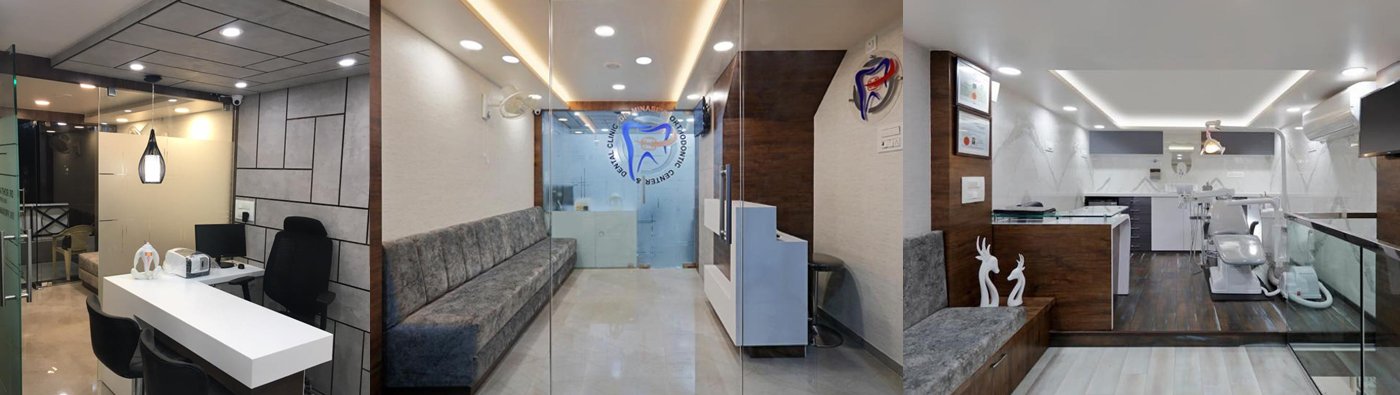
Dr. Minase’s Orthodontic Center & Dental Clinic provides orthodontic and dental care for children, teenagers, and adults in Nagpur. A detailed orthodontic evaluation can help patients understand whether clear aligners, metal braces, lingual orthodontics, or another approach is appropriate for their individual dental needs.
Patients searching for a Best Orthodontist should focus on accurate diagnosis and individualized treatment planning rather than assuming that one orthodontic method is universally better than another. The purpose of this guide is to explain the differences between clear aligners and braces so patients can have a more informed discussion during their orthodontic consultation.
What Are Clear Aligners?
Clear aligners are a series of transparent, custom-designed orthodontic trays that progressively guide teeth toward planned positions. Each aligner is designed to produce specific tooth movements, with the sequence changing gradually throughout treatment.
Because clear aligners are generally removable, patients need to follow their orthodontist’s instructions regarding wearing them. Their appearance makes them an attractive option for people who prefer a more discreet orthodontic appliance.
Patients interested in aligner-based treatment can explore Top Dentist For Clear Aligners and learn more about Best Invisalign Orthodontist Doctors.
What Are Traditional Braces?
Traditional braces use brackets attached to the teeth and orthodontic wires to apply controlled forces over time. The orthodontist periodically evaluates the tooth movement and adjusts the appliance as required during the treatment process.
Metal braces are a well-established orthodontic approach and can be used for many different alignment and bite problems. They are fixed to the teeth, which means patients do not remove them during routine daily activities.
Patients considering conventional braces can explore treatment with a Top Dentist For Teeth Metal Braces.
Clear Aligners vs Braces: At-a-Glance Comparison
Both clear aligners and braces are designed to improve tooth alignment, but their features and daily requirements are different. The following comparison can help patients understand the basic distinctions.
- Visibility: Clear aligners are generally less noticeable, while traditional metal braces are more visible.
- Removability: Aligners can be removed according to the treatment instructions, while braces remain attached throughout active treatment.
- Oral hygiene: Aligners can be removed for routine brushing and cleaning, whereas braces require careful cleaning around brackets and wires.
- Eating: Removable aligners allow greater flexibility during meals, while braces require attention to foods that may damage orthodontic components.
- Patient cooperation: Aligners require consistent patient compliance with wearing instructions. Braces remain fixed and therefore do not depend on the patient remembering to put them back.
- Treatment complexity: Both systems can address many orthodontic problems, but suitability depends on the specific movements and bite correction required.
- Aesthetics: Clear aligners are generally preferred by patients who want a discreet appearance.
- Maintenance: Both options require regular dental hygiene and orthodontic follow-up.
There is therefore no universal answer to whether clear aligners or braces are better. The appropriate choice depends on the patient’s diagnosis and treatment objectives.
Which Option Is More Suitable for Crooked Teeth?
Crooked teeth may occur because of insufficient space, abnormal eruption, tooth rotation, jaw development, or other factors. Mild to moderate alignment concerns may sometimes be treated with clear aligners, while braces may be selected when more complex or extensive tooth movements are required.
A professional assessment is essential before choosing an appliance. Patients concerned about alignment can learn more about Crooked teeth Treatment and discuss whether aligners or braces are appropriate for their individual condition.
Clear Aligners vs Braces for Teeth Crowding
Teeth crowding occurs when there is insufficient space for teeth to align normally within the dental arch. The severity of crowding can range from relatively minor overlap to significant displacement of multiple teeth.
Depending on the amount of crowding and the required tooth movements, either aligners or braces may be considered. In some cases, the orthodontist may need to create or redistribute space as part of the treatment plan.
Patients can explore Teeth crowding Treatment to understand how orthodontic planning is customized according to the amount and location of crowding.
Clear Aligners vs Braces for Overbite
An overbite occurs when the upper front teeth overlap the lower front teeth more than expected. The condition can be associated with tooth position, jaw relationships, or a combination of factors.
Some overbite cases can be managed using clear aligners, while other cases may be more appropriately managed using braces or additional orthodontic mechanics. The underlying cause and severity are important considerations.
Patients can learn more about Overbite correction Treatment before deciding between different orthodontic options.
Underbite and Crossbite: Which Is Better?
An underbite occurs when the lower front teeth are positioned ahead of the upper front teeth. A crossbite occurs when one or more upper teeth bite inside the corresponding lower teeth. Both conditions require careful evaluation because their causes can involve tooth position, jaw development, or both.
Some dental crossbite cases can be managed orthodontically, but more complex skeletal problems may require a different treatment strategy. Patients with these concerns can explore Crossbite treatment Treatment as part of their orthodontic consultation.
Underbite correction Treatment is similarly individualized. The orthodontist first determines whether the primary issue is related to tooth position or the underlying jaw relationship before deciding on an appropriate approach.
Symptoms That May Indicate the Need for Orthodontic Treatment
Orthodontic problems do not always cause pain. Many patients notice cosmetic changes first, while others may experience functional difficulties associated with tooth or bite position.
- Visibly crooked or overlapping teeth
- Teeth that are unusually crowded
- Large or unwanted gaps between teeth
- Difficulty biting food properly
- Difficulty chewing comfortably
- Upper and lower teeth that do not meet evenly
- Excessive overlap of upper front teeth
- Lower front teeth positioned ahead of upper teeth
- Teeth that are difficult to clean because of their position
- Uneven tooth wear associated with an abnormal bite
- Concerns about smile appearance or dental alignment
These signs do not automatically indicate that braces or aligners are necessary. An orthodontic examination is required to identify the actual cause and determine appropriate treatment.
Common Causes of Misaligned Teeth
Misaligned teeth can result from a combination of genetic, developmental, dental, and environmental factors. Understanding the cause helps the orthodontist design an appropriate treatment plan.
- Genetic factors affecting tooth and jaw size
- Insufficient space within the dental arch
- Differences between tooth size and jaw dimensions
- Abnormal eruption or impacted teeth
- Early or delayed loss of primary teeth
- Missing or extra teeth
- Jaw-growth discrepancies
- Some prolonged oral habits during childhood
- Previous dental trauma
- Natural changes in tooth position over time
These factors may contribute to crowding, spacing issues, overbite, underbite, crossbite, and other bite problems.
Clear Aligner Treatment Procedure
Clear aligner treatment begins with an orthodontic evaluation and detailed treatment planning. The process is customized according to the patient’s tooth position and desired treatment objectives.
- Initial consultation: The orthodontist evaluates the teeth, bite, gums, and overall oral condition.
- Diagnostic records: Appropriate dental records and imaging may be obtained when clinically necessary.
- Digital treatment planning: The expected tooth movements are planned according to the patient’s requirements.
- Aligner fabrication: A series of custom aligners is prepared according to the treatment plan.
- Aligner fitting: The orthodontist checks fit and explains appropriate use and care.
- Progressive movement: Patients move through the planned sequence of aligners according to professional instructions.
- Regular monitoring: Follow-up visits allow the orthodontist to evaluate progress.
- Refinement: Additional aligner planning may sometimes be required depending on treatment progress.
- Retention: After active treatment, an Orthodontic Retainer may be recommended.
Patient cooperation is particularly important with removable aligners because treatment depends on consistent use according to the orthodontist’s instructions.
Braces Treatment Procedure
Traditional braces also follow a structured orthodontic process. Because the appliance remains attached to the teeth, the orthodontist controls tooth movement through periodic adjustments and monitoring.
- Orthodontic assessment: Teeth, bite, jaw relationship, and oral health are evaluated.
- Treatment planning: The orthodontist establishes the desired tooth positions and bite objectives.
- Bracket placement: Brackets are carefully positioned on the teeth.
- Wire placement: Orthodontic wires are placed to begin controlled tooth movement.
- Regular appointments: The orthodontist monitors progress and makes appropriate adjustments.
- Alignment and bite correction: Teeth gradually move toward the planned positions.
- Finishing: Final alignment and bite relationships are evaluated.
- Retention: A retainer may be recommended after active treatment.
Patients considering braces can discuss their suitability with a Top Dentist For Teeth Metal Braces.
Clear Aligners or Braces: Which Is More Comfortable?
Comfort is highly individual. Both aligners and braces apply controlled forces to move teeth, and patients may experience temporary pressure, tightness, or tenderness during different stages of treatment.
Clear aligners have smooth surfaces and are removable, while braces contain brackets and wires that remain attached to the teeth. Some patients may prefer the feel of aligners, while others may find fixed braces easier because they do not require daily removal and reinsertion.
The orthodontic objective should remain the primary consideration, with comfort and lifestyle preferences discussed alongside clinical suitability.
Oral Hygiene: Clear Aligners vs Braces
Good oral hygiene is essential during any orthodontic treatment. Misaligned teeth can already make cleaning difficult, and orthodontic appliances require additional attention.
- Brush teeth regularly using appropriate dental hygiene techniques.
- Clean carefully around brackets and wires when wearing braces.
- Remove aligners according to professional instructions when cleaning the teeth.
- Keep aligners clean and store them appropriately when they are not being worn.
- Attend routine dental check-ups as recommended.
- Maintain healthy eating habits and avoid unnecessarily damaging orthodontic appliances.
Patients who have existing dental problems may require appropriate dental treatment before or during orthodontic care.
Clear Aligners vs Braces for Children
Children and teenagers require special consideration because their teeth and jaws are still developing. The timing and type of orthodontic treatment depend on dental development and the specific problem being treated.
A Kids orthodontist can evaluate tooth eruption, crowding, bite development, and jaw relationships. Clear aligners may be suitable for some younger patients, while braces or other orthodontic approaches may be more appropriate for others.
Comprehensive Pediatric dentistry also helps maintain healthy primary and permanent teeth during the developmental years. Preventive care such as Pit & Fissure Sealant Treatment may be considered for suitable children.
Clear Aligners vs Braces for Adults
Adults increasingly seek orthodontic treatment for crooked teeth, crowding, spacing, bite problems, and smile aesthetics. Adult treatment planning must consider existing dental restorations, gum health, missing teeth, previous dental treatment, and the condition of the supporting tissues.
Clear aligners can be attractive to adults who prefer a discreet appliance, while braces may be considered when specific tooth movements or treatment mechanics make a fixed appliance appropriate.
Patients looking for discreet orthodontic solutions can also discuss Best Lingual Orthodontist Doctors and determine whether lingual orthodontics is suitable for their condition.
Factors That Influence Orthodontic Treatment Cost
The Orthodontic treatment cost varies considerably between patients. Clear aligners and braces involve different materials, planning requirements, follow-up schedules, and treatment complexities.
- Severity of tooth crowding or spacing
- Complexity of bite correction
- Type of orthodontic appliance selected
- Number and complexity of required tooth movements
- Expected duration of treatment
- Diagnostic records and imaging when clinically necessary
- Number of follow-up appointments
- Retention requirements after active treatment
- Additional dental procedures required before orthodontic treatment
Patients interested in an Affordable Orthodontic consultation can discuss these factors directly during an individualized assessment.
When Braces May Be Considered
Braces may be considered when the orthodontist believes a fixed appliance offers appropriate control for the required tooth movements. They can be useful across a broad range of orthodontic conditions.
- Significant tooth crowding
- Complex tooth rotations
- Selected bite abnormalities
- Cases requiring detailed control of tooth position
- Patients who may have difficulty consistently wearing removable aligners
- Orthodontic cases where a fixed appliance is clinically preferable
This does not mean braces are automatically better for complex cases. The orthodontist must assess the individual treatment requirements before selecting an appliance.
When Clear Aligners May Be Considered
Clear aligners may be considered for patients whose orthodontic problems can be appropriately managed using a removable aligner system and who can follow the required wearing and care instructions.
- Mild to moderate forms of selected alignment problems
- Selected cases of dental crowding
- Selected spacing problems
- Some tooth rotations and alignment concerns
- Patients who prefer a more discreet orthodontic appliance
- Patients who can follow the required aligner-wearing schedule
Not every patient is an ideal candidate for clear aligners. A professional orthodontic assessment is necessary before treatment is selected.
Orthodontic Retainers: What Happens After Treatment?
After active orthodontic treatment, teeth can have a natural tendency to shift. Retention is therefore an important component of long-term orthodontic care.
An Orthodontic Retainer helps maintain the tooth positions achieved during active treatment. The type of retainer and wearing schedule depend on the individual orthodontic plan.
Can Orthodontic Treatment Improve Smile Aesthetics?
Yes. Improving tooth alignment and bite relationships can significantly change the appearance of a smile. However, orthodontic treatment primarily focuses on tooth position and function rather than tooth color or the shape of individual teeth.
After appropriate orthodontic treatment, selected patients may also discuss Smile designing, Smile Designing, Teeth whitening, or Tooth Bleaching where clinically appropriate.
Other aesthetic dental options may include Cosmetic Fillings, Tooth colored fillings, and discussions around Dental Veneers Cost when appropriate.
Dental Health Before Starting Orthodontic Treatment
Healthy teeth and gums provide an important foundation for orthodontic treatment. Patients with untreated dental problems may need appropriate dental care before braces or aligners are started.
- Root Canal Treatment for suitable teeth requiring endodontic care
- Gum surgery for selected gum-related conditions
- Crown and Bridges Treatment for appropriate restorative requirements
- Dental Implants for suitable tooth-replacement situations
- Surgical Tooth extractions when a tooth cannot be predictably preserved or extraction is part of a carefully planned orthodontic treatment
Addressing existing dental concerns can help create a healthier environment for orthodontic treatment and improve overall oral-care management.
How to Decide Between Clear Aligners and Braces
The decision should be made after a detailed orthodontic examination rather than simply choosing the appliance that looks more attractive. Patients should discuss their treatment goals, dental condition, lifestyle, expected responsibilities, and long-term retention requirements with their orthodontist.
- Choose based on clinical suitability: The appliance should be capable of achieving the required tooth movements.
- Consider lifestyle: Patients should understand the daily responsibilities associated with removable aligners.
- Consider appearance: Patients who prefer a discreet option may want to discuss clear aligners or lingual orthodontics.
- Consider oral hygiene: Both approaches require consistent dental hygiene.
- Consider compliance: Aligners require appropriate patient cooperation, while braces remain fixed.
- Understand treatment duration: Duration varies according to individual complexity rather than appliance type alone.
- Discuss retention: Maintaining alignment after active treatment is an important part of orthodontic planning.
A personalized consultation with a Top-Rated Orthodontic Center can help patients understand these factors in relation to their own dental condition.
Frequently Asked Questions About Clear Aligners vs Braces
1. Are clear aligners better than braces?
Neither option is universally better. Clear aligners and braces have different advantages and limitations, and the appropriate choice depends on the patient’s dental condition, required tooth movements, bite, lifestyle, and ability to follow treatment instructions.
2. Can clear aligners straighten crooked teeth?
Clear aligners can treat many selected cases of crooked teeth. However, suitability depends on the severity and type of tooth movement required.
3. Can braces treat severe teeth crowding?
Braces can be used for many forms of tooth crowding, including cases requiring detailed control of tooth position. The treatment plan depends on the amount of available space and the overall orthodontic diagnosis.
4. Are clear aligners suitable for children?
Clear aligners may be suitable for some children and teenagers, but treatment depends on dental development, the orthodontic problem, and the patient’s ability to follow aligner instructions. A Kids orthodontist can determine suitability.
5. Do braces or aligners hurt?
Both treatments can produce temporary pressure, tightness, or tenderness as teeth respond to orthodontic forces. Individual experiences vary throughout treatment.
6. Which is easier to clean, aligners or braces?
Aligners are removable, which can make routine tooth cleaning more straightforward. Braces remain attached to the teeth and require careful cleaning around brackets and wires.
7. Can clear aligners correct an overbite?
Some overbite cases can be managed with clear aligners. However, suitability depends on the severity, underlying cause, and specific tooth movements required.
8. Can clear aligners treat crossbite?
Some dental crossbite cases may be suitable for aligner treatment, while others may require braces or a different orthodontic approach. Professional diagnosis is necessary.
9. Do I need to wear a retainer after braces or aligners?
Retention is commonly an important part of orthodontic treatment because teeth can shift after active tooth movement. The orthodontist determines the appropriate retainer and wearing schedule.
10. How much does orthodontic treatment cost in Nagpur?
The cost varies according to treatment complexity, appliance type, treatment duration, diagnostic requirements, follow-up care, and retention. A personalized consultation provides a better understanding of the factors involved.
11. Can adults get clear aligners?
Yes. Adults can be candidates for clear aligners when their dental condition is suitable. Existing restorations, gum health, missing teeth, and the complexity of tooth movement should be assessed before treatment.
12. Are metal braces still an effective orthodontic option?
Yes. Metal braces remain an established orthodontic treatment option and can be suitable for a wide range of alignment and bite problems.
Why Choose Dr. Minase’s Orthodontic Center for Teeth Straightening?
Dr. Minase’s Orthodontic Center & Dental Clinic provides orthodontic and dental care for patients with different alignment, bite, cosmetic, preventive, and restorative requirements. Treatment planning begins with understanding the patient’s individual dental condition rather than selecting an appliance based solely on its appearance.
Patients can discuss Orthodontic treatment, Teeth straightening Treatment, clear aligners, metal braces, lingual orthodontics, and retention options. The clinic can also coordinate orthodontic care with other dental services when required.
For patients in Nagpur comparing clear aligners vs braces, the most important step is a professional orthodontic assessment. The right treatment should be selected according to the patient’s alignment, bite, dental health, treatment objectives, lifestyle, and long-term retention needs.
Clear aligners and braces are both valuable teeth-straightening options, but they work differently and are not interchangeable for every orthodontic case. Clear aligners offer a discreet, removable approach and may be appropriate for selected alignment problems, while traditional braces provide a fixed system capable of managing a broad range of tooth movements.
For patients dealing with crooked teeth, crowding, spacing, overbite, underbite, crossbite, jaw alignment concerns, or other bite problems, an individualized assessment is the best way to understand which orthodontic approach may be appropriate. With proper diagnosis, treatment planning, regular monitoring, and retention, orthodontic care can address both functional alignment and smile aesthetics.
Disclaimer: The information provided in this article is for educational purposes only and should not be substituted for professional medical advice, diagnosis, or treatment. Always seek the advice of your physician regarding any medical condition.