Crown and Bridges Treatment in Nagpur : Restoring Your Smile’s Strength and Beauty – A Guide to Crown and Bridges Treatment
Dental crowns and bridges are cornerstones of restorative and cosmetic dentistry, offering durable and aesthetic solutions for damaged or missing teeth. A Crown and Bridges Treatment is not just about aesthetics; it’s about restoring the function, integrity, and health of your bite. Whether a tooth is weakened by decay, fractured due to trauma, or lost entirely, these treatments provide a reliable way to regain a complete and confident smile.
Dr. Minase’s Orthodontic Center & Dental Clinic in Nagpur
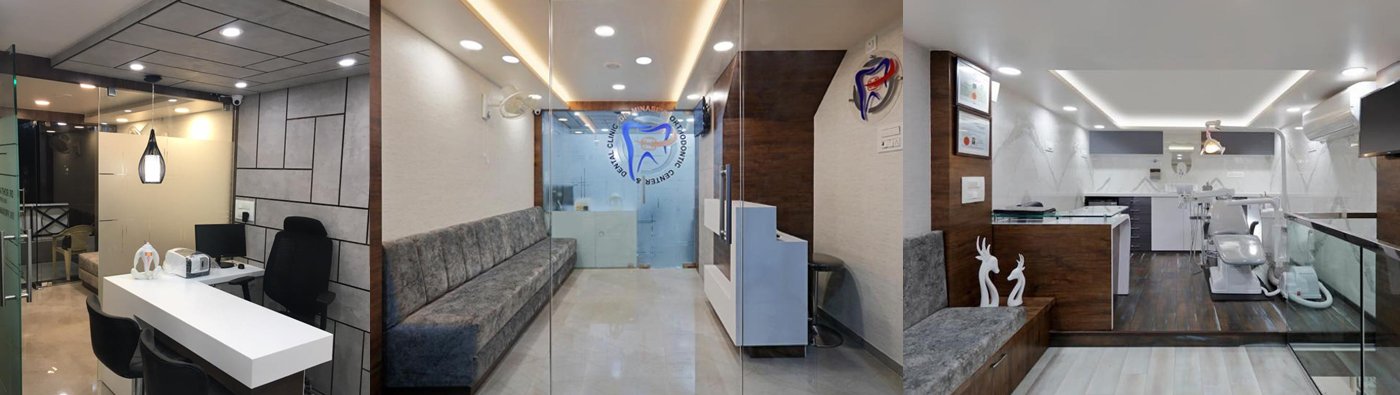
For exceptional and comprehensive dental care in Nagpur, Dr. Minase’s Orthodontic Center & Dental Clinic is a top choice. The clinic offers a wide range of services, including expert Crown and Bridges Treatment. The experienced team provides personalized care and uses the latest technology to ensure optimal results. From orthodontic treatment with Invisalign and teeth metal braces to other essential services like root canal treatment, surgical tooth extractions, and pediatric dentistry, Dr. Minase’s clinic is committed to helping you achieve and maintain a healthy and beautiful smile.
Symptoms and Causes Requiring Crown and Bridges Treatment
Symptoms
You might need a dental crown or bridge if you experience:
- A cracked, fractured, or severely chipped tooth.
- A tooth that has undergone a root canal treatment, as it may become brittle and require protection.
- A tooth with a very large filling where there isn’t enough natural tooth structure left to support it.
- A missing tooth or multiple missing teeth that need to be replaced.
- A desire to improve the appearance of a severely discolored or misshapen tooth as part of a smile designing plan.
- Teeth crowding treatment or spacing issues treatment where teeth have shifted due to a missing tooth.
Causes
The need for a crown or bridge can arise from several factors:
- Dental Decay: Extensive tooth decay that has progressed to a point where a simple filling is no longer a viable option.
- Trauma: An injury to the mouth can cause a tooth to break or become severely damaged.
- Aging: Over time, teeth can wear down, become weak, or crack under pressure.
- Periodontal Disease: Gum disease can lead to tooth loosening and eventually, tooth loss.
- Congenital Factors: Some people are born with a congenitally missing tooth, which a bridge can be used to replace.
- Orthodontic Treatment: After teeth straightening treatment, a crown may be needed to cap a tooth that was severely worn or damaged.
The Crown and Bridges Treatment Procedure
The procedure for a dental crown or a dental bridge typically involves a few visits to your dentist.
Dental Crown Procedure
A dental crown is a custom-made “cap” that is placed over a damaged tooth to restore its shape, size, strength, and appearance.
- Visit 1: Tooth Preparation and Impression: The dentist will numb the area with a local anesthetic. They will then reshape the tooth, removing a small amount of enamel to create space for the crown. An impression of your tooth is taken, which is sent to a dental lab to fabricate your custom crown. A temporary crown is placed to protect the prepared tooth.
- Visit 2: Crown Placement: Once the permanent crown is ready, you will return to the clinic. The dentist will remove the temporary crown, check the fit, color, and shape of the new crown, and then permanently bond it to your tooth using a strong dental cement.
Dental Bridge Procedure
A dental bridge literally “bridges” the gap created by one or more missing teeth. It consists of a false tooth (or “pontic”) that is held in place by two crowns, which are placed on the healthy teeth on either side of the gap.
- Visit 1: Abutment Preparation and Impression: Similar to a crown procedure, the two adjacent teeth (known as abutments) are prepared for crowns. An impression is taken and sent to a lab to create the custom bridge. A temporary bridge will be placed to protect the prepared teeth and maintain the space.
- Visit 2: Bridge Placement: At the final appointment, the temporary bridge is removed, and the permanent bridge is cemented onto the abutment teeth. The dentist will make any necessary adjustments to ensure a proper fit and bite.
- Dental Veneers Cost and Dental Implants are also sometimes discussed as alternatives to crowns and bridges, depending on the specific dental need. For a missing tooth, a dental implant provides a strong, long-lasting solution that doesn’t require altering the adjacent teeth.
FAQs about Crown and Bridges Treatment
Q1: How long do dental crowns and bridges last?
A: With proper care, including regular brushing, flossing, and dental check-ups, dental crowns and bridges can last for many years, often between 5 and 15 years, and sometimes even longer.
Q2: Is the procedure for crowns and bridges painful?
A: The procedure is performed under local anesthesia, so you should not feel any pain during the treatment. You might experience some mild discomfort or sensitivity in the days following the procedure, which can be managed with over-the-counter pain medication.
Q3: How much does a Crown and Bridges Treatment cost?
A: The orthodontic treatment cost for crowns and bridges varies widely based on the material used (e.g., porcelain, zirconia, porcelain-fused-to-metal) and the complexity of the case. An affordable orthodontic consultation with your dentist is the best way to get a personalized cost estimate and discuss your options.
Q4: Can a crown or bridge look natural?
A: Yes. Modern dental materials, particularly porcelain and zirconia, are crafted to match the color, shape, and size of your natural teeth. Your dentist will work with you to ensure the final restoration blends seamlessly with your smile.
Q5: Can an orthodontist help me with missing teeth?
A: While a general dentist or a prosthodontist typically handles crowns and bridges, an orthodontist can address the underlying issues related to teeth alignment. For example, they may use orthodontic treatment to create the proper spacing for a future bridge or implant, ensuring the best possible outcome.