Tooth Bleaching in Nagpur : A Brighter, More Confident You – A Guide to Tooth Bleaching
Tooth bleaching, commonly known as teeth whitening, is a highly sought-after cosmetic dental procedure that can dramatically improve the appearance of your smile. It’s a safe and effective way to lighten the color of your teeth by removing stains and discoloration that accumulate over time. A bright smile can boost your confidence and leave a lasting impression, and professional tooth bleaching offers predictable, beautiful results that go beyond what over-the-counter products can achieve. This treatment is often a key component of a comprehensive smile designing plan.
Dr. Minase’s Orthodontic Center & Dental Clinic in Nagpur
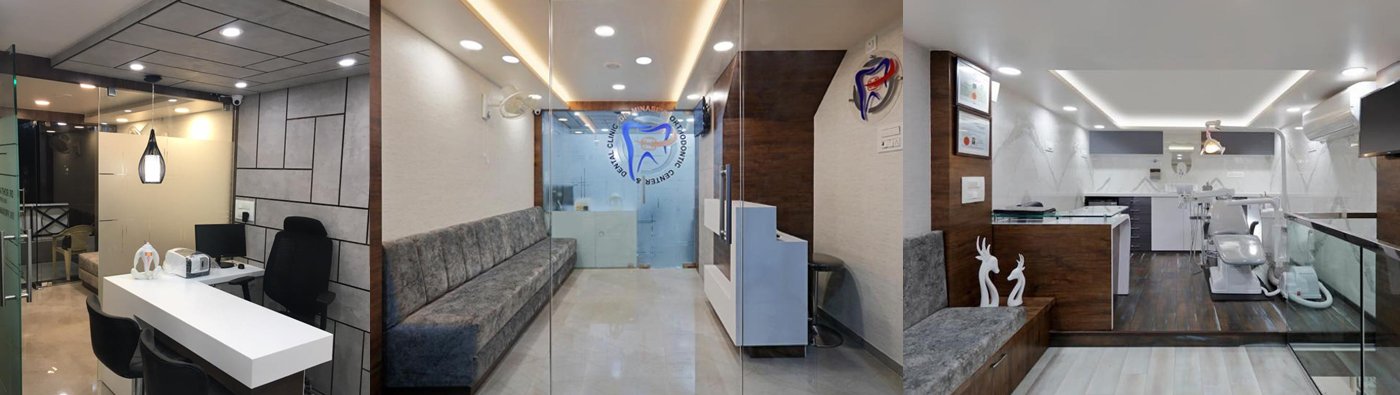
For exceptional dental care in Nagpur, Dr. Minase’s Orthodontic Center & Dental Clinic is a trusted name. With a state-of-the-art bleaching unit and a team of skilled professionals, the clinic provides a comprehensive range of services, including tooth bleaching and smile designing. They are experts in orthodontic treatment, offering solutions like teeth metal braces, clear aligners from a best Invisalign orthodontist doctor, and lingual braces from a best lingual orthodontist doctor. Whether you are a child needing a kids orthodontist or an adult seeking a complete smile designing makeover, Dr. Minase’s clinic is equipped to help you achieve a healthy and beautiful smile.
Symptoms and Causes of Tooth Discoloration
Symptoms
- The most apparent symptom is the discoloration itself. You may notice your teeth appearing:
- Yellowish or brownish.
- Dull or lackluster.
- Stained from certain foods and drinks.
Causes
Tooth discoloration can be due to a variety of factors, which can be categorized into two main types: extrinsic and intrinsic stains.
- Extrinsic Stains: These are surface stains that occur on the tooth’s outer layer (enamel). They are typically caused by:
- Food and Beverages: Consuming things like coffee, tea, red wine, and dark-colored sodas can leave stains.
- Tobacco Use: Smoking or chewing tobacco is a major cause of stubborn, brownish-yellow stains.
- Poor Oral Hygiene: Inadequate brushing and flossing can lead to plaque and tartar buildup, which can hold onto stains.
- Intrinsic Stains: These stains are deeper, occurring within the tooth’s structure (dentin). They can be caused by:
- Genetics and Aging: Some people have naturally yellower teeth, and as you age, the enamel thins, revealing the naturally darker dentin underneath.
- Medications: Certain antibiotics, particularly tetracycline, can cause permanent intrinsic staining if taken during tooth development.
- Trauma: An injury to a tooth can cause internal bleeding, leading to discoloration.
- Excessive Fluoride: Too much fluoride during tooth formation can cause a condition called fluorosis, which results in white or brown spots.
The Tooth Bleaching Procedure and Treatment Options
Professional tooth bleaching should always be performed under the supervision of a dentist to ensure safety and effectiveness. The procedure typically begins with a dental examination to determine if you are a good candidate and to address any underlying issues like cavities or gum disease.
In-Office Bleaching
This is the fastest and most dramatic method for teeth whitening. It is often referred to as “chair-side bleaching.”
- Procedure: The dentist will apply a protective gel or a dental dam to shield your gums from the bleaching agent. A highly concentrated peroxide-based gel is then applied to your teeth. A special light or laser may be used to accelerate the chemical reaction and enhance the whitening effect. The procedure is typically completed in about an hour, and you can see a significant difference in just one session.
At-Home Professional Bleaching
This method is for those who prefer to whiten their teeth in the comfort of their own home.
- Procedure: Your dentist will take an impression of your teeth to create custom-fitted bleaching trays. These trays are specifically designed to fit your mouth, ensuring the bleaching gel stays on your teeth and doesn’t leak onto your gums. You will be provided with a lower-concentration bleaching gel and instructions on how to use the trays daily for a specific period, usually over a few weeks. This gradual process still yields professional-quality results.
FAQs about Tooth Bleaching
Q1: Is tooth bleaching safe for my teeth?
A: Yes, when done under the supervision of a dental professional, tooth bleaching is very safe. The main active ingredients, hydrogen peroxide or carbamide peroxide, have been used for years with no reported long-term damage to tooth enamel.
Q2: Will tooth bleaching make my teeth sensitive?
A: Some individuals may experience temporary tooth sensitivity after the procedure. This is a common side effect and usually subsides within a few days. Your dentist may recommend a desensitizing toothpaste to help with any discomfort.
Q3: How long do the results of professional bleaching last?
A: The longevity of the results depends on your lifestyle and habits. By avoiding staining foods and beverages and maintaining excellent oral hygiene, you can keep your teeth white for a year or more. Periodic touch-up treatments can help maintain your bright smile.
Q4: Can I use over-the-counter products instead?
A: While over-the-counter products are available, they are not as potent as professional-grade treatments and the results may not be as dramatic or long-lasting. The trays in these kits are not custom-fitted, which can lead to gum irritation. For the best and safest results, a professional orthodontic consultation is recommended.
Q5: How does tooth bleaching fit into a complete smile designing plan?
A: Tooth bleaching is often the first step in a smile designing treatment. It provides a clean, bright canvas. After bleaching, other procedures like veneers, crowns, or fillings can be matched to the new, lighter shade for a uniform and natural-looking smile.