Misaligned Teeth Treatment in Nagpur : Misaligned Teeth Treatment – The Path to a Healthier Smile
Misaligned teeth, a condition also known as malocclusion, is a common dental issue that can affect both children and adults. Beyond the cosmetic concern of having crooked teeth, it can lead to various oral health problems, including difficulty with chewing, speaking, and proper oral hygiene. Fortunately, with modern dentistry, there are numerous effective teeth straightening treatment options available. The journey to a perfectly aligned smile often begins with a visit to a skilled orthodontist.
Dr. Minase’s Orthodontic Center & Dental Clinic in Nagpur
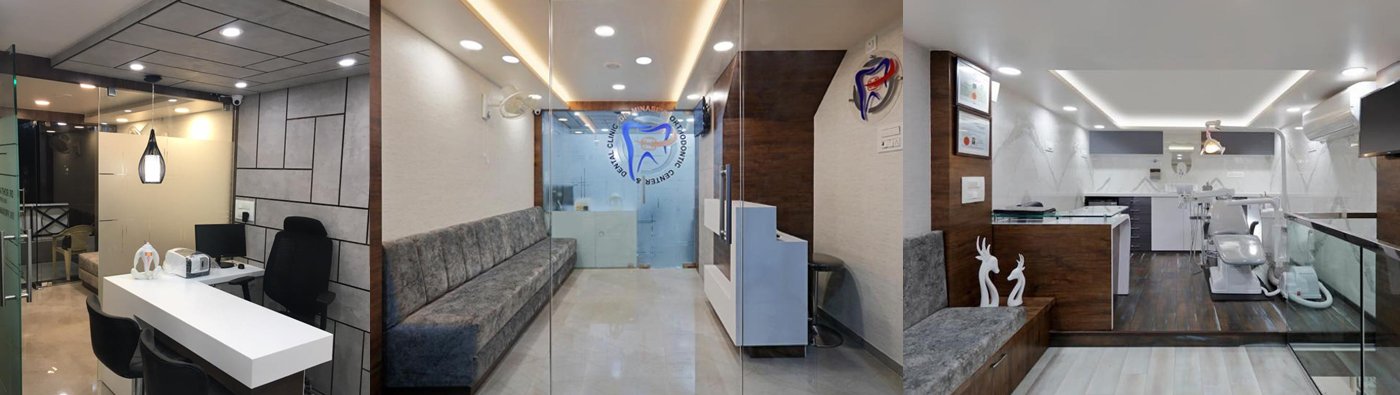
For leading dental and orthodontic care in Nagpur, Dr. Minase’s Orthodontic Center & Dental Clinic stands out for its commitment to providing comprehensive and compassionate treatments. The clinic is equipped with state-of-the-art technology and offers a wide range of services, including orthodontic treatment, smile designing, Invisalign, and pediatric dentistry. Led by experienced professionals, they specialize in everything from teeth metal braces to painless root canal treatment and dental implants, ensuring that every patient receives personalized care for a healthy and beautiful smile.
Symptoms and Causes of Misaligned Teeth
Symptoms
- The signs of misaligned teeth can be obvious or subtle. Recognizing them is the first step toward getting the right treatment. Key symptoms include:
- Crooked teeth that are visibly out of place.
- Teeth crowding treatment, where teeth overlap due to a lack of space.
- Spacing issues treatment, with noticeable gaps between teeth.
- An improper bite, which can be an overbite correction treatment (upper teeth overlap the lower teeth), underbite correction treatment (lower teeth extend beyond the upper teeth), or crossbite treatment (upper teeth bite inside the lower teeth).
- Difficulty or discomfort when chewing or biting.
- Jaw pain, headaches, or muscle strain due to a misaligned bite.
- Lisping or other speech impediments.
- Uneven wear on teeth.
Causes
Misalignment can be attributed to a number of factors, many of which are beyond our control. The most common causes are:
- Genetics: Often, the size of a person’s jaw and teeth is a hereditary trait. If your jaw is too small for your teeth, crowding can occur, leading to misaligned teeth.
- Childhood Habits: Prolonged habits like thumb-sucking, pacifier use, or tongue thrusting can put pressure on the teeth and jaws, altering their development.
- Tooth Loss: Losing a permanent tooth due to decay or injury can cause the surrounding teeth to shift into the empty space, creating alignment problems.
- Trauma or Injury: An injury to the jaw or mouth can displace teeth and lead to misalignment.
- Periodontal Disease: Untreated gum disease can weaken the bone supporting the teeth, causing them to loosen and shift.
Procedures and Treatment Options
A comprehensive misaligned teeth treatment plan is tailored to each individual’s needs, based on the severity and specific type of malocclusion. An orthodontic consultation is essential to determine the most effective course of action.
Orthodontic Treatment
Orthodontic procedures are the gold standard for correcting misaligned teeth and bite issues.
- Teeth Metal Braces: These are the most traditional and reliable method for teeth straightening treatment. Braces use brackets and wires to apply continuous pressure, gradually moving teeth into their correct positions. They are highly effective for all types of complex cases, including jaw alignment treatment and bite correction treatment.
- Clear Aligners: For a more discreet option, clear aligners such as Invisalign are very popular. These are a series of custom-made, removable trays that incrementally shift teeth. They offer convenience as they can be taken out for eating and brushing. A top dentist for clear aligners can provide a detailed treatment plan and a preview of your final smile.
- Lingual Braces: For those who want their treatment to be completely invisible, lingual braces are a great choice. They are fixed braces attached to the back of the teeth. This specialized procedure requires the expertise of a best lingual orthodontist doctor.
- Orthodontic Retainer: Once active treatment is complete, a retainer is a vital part of the process. It is used to maintain the new position of your teeth and prevent them from shifting back.
Other Dental Procedures
In some cases, especially for minor misalignment or cosmetic concerns, other dental treatments may be an option.
- Dental Veneers: Thin, custom-made shells are bonded to the front of teeth to create the appearance of a straighter, more uniform smile. This is often part of a complete smile designing plan.
- Dental Bonding: A tooth-colored resin is applied to the teeth to reshape them and correct minor imperfections.
- Crown and Bridges Treatment: For a single or few misaligned teeth, a crown can be used to alter a tooth’s shape and position.
- Surgical Tooth Extractions: In cases of severe teeth crowding treatment, an orthodontist may recommend the extraction of one or more teeth to create space for the remaining teeth to be aligned.
FAQs About Misaligned Teeth Treatment
Q1: How much does misaligned teeth treatment cost?
A: The orthodontic treatment cost varies significantly depending on the complexity of the case, the type of treatment (e.g., traditional braces, clear aligners), and the duration. An affordable orthodontic consultation is the best way to get a precise estimate and discuss payment options.
Q2: Is it too late to get my teeth straightened as an adult?
A: Absolutely not. With advancements in orthodontic technology, including Invisalign and other aesthetic options, adults can achieve excellent results. Many adults are now seeking orthodontic treatment to correct misaligned teeth they’ve lived with for years.
Q3: How long does teeth straightening treatment take?
A: The duration of teeth straightening treatment typically ranges from 1 to 3 years. Minor corrections can be achieved in a few months, while complex cases like severe jaw alignment treatment may take longer.
Q4: What’s the difference between an orthodontist and a general dentist?
A: A general dentist provides a wide range of basic dental services, while an orthodontist is a specialist who has completed additional years of training specifically in the diagnosis, prevention, and treatment of dental and facial irregularities, including bite correction treatment and jaw alignment treatment.
Q5: Can I get my teeth whitened after my teeth are straightened?
A: Yes, teeth whitening is a popular final step after orthodontic treatment. It is recommended to wait a few weeks after the braces are removed or the aligner treatment is completed to allow for any minor tooth sensitivity to subside before beginning the whitening process.