Jaw Alignment Treatment in Nagpur : The Journey to a Perfect Smile – Understanding Jaw Alignment Treatment
Jaw alignment, also known as orthognathic correction, is a crucial aspect of oral health that goes beyond just aesthetics. It’s the process of correcting a misaligned jaw to improve function, alleviate pain, and enhance the overall facial appearance. Whether it’s a child’s developing bite or an adult’s complex dental issue, seeking an orthodontist or oral and maxillofacial surgeon is the first step toward a healthier, more confident smile. This treatment is often the key to resolving problems that teeth straightening treatment alone can’t fix.
Dr. Minase’s Orthodontic Center & Dental Clinic in Nagpur
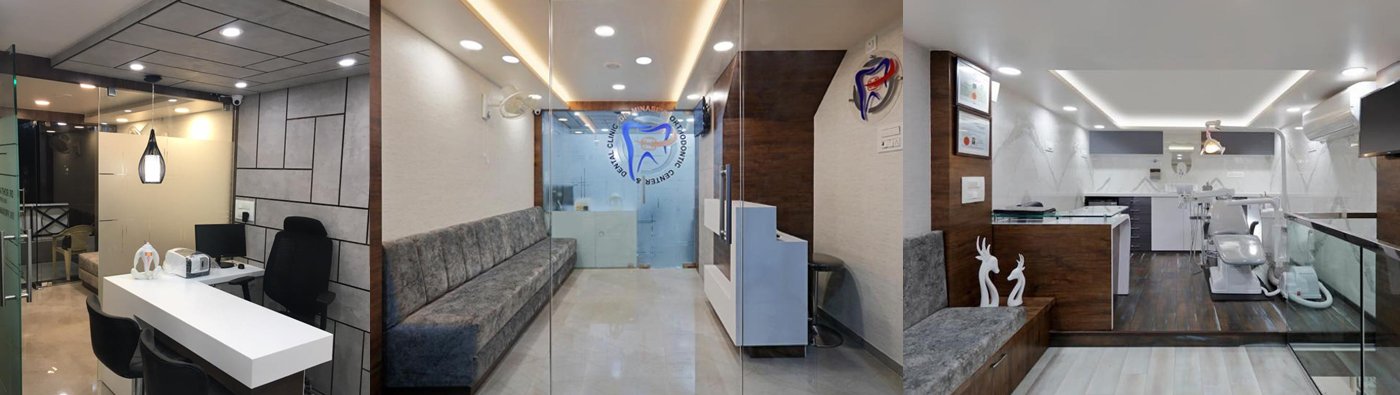
For comprehensive and compassionate dental care in Nagpur, Dr. Minase’s Orthodontic Center & Dental Clinic offers a wide range of services. Led by experienced professionals, the clinic provides specialized treatments including orthodontic treatment, smile designing, Invisalign, and pediatric dentistry. They also offer other dental services like teeth whitening, root canal treatment, dental implants, and dental veneers. The center is known for its advanced technology and commitment to providing the best possible outcomes for both children and adults.
Symptoms and Causes of Jaw Misalignment
Symptoms
A misaligned jaw can manifest in various ways, affecting not only your teeth but also your overall well-being. Common symptoms include:
- Crooked teeth or misaligned teeth that don’t fit together properly.
- An overbite correction treatment (when the upper teeth severely overlap the lower teeth) or underbite correction treatment (when the lower jaw extends too far forward).
- Crossbite treatment (when some upper teeth bite inside the lower teeth).
- Difficulty with biting, chewing, or speaking.
- Teeth crowding treatment or significant spacing issues treatment.
- Chronic jaw, facial, neck, or head pain.
- Clicking or popping sounds in the jaw joint.
- An asymmetrical facial appearance.
- Difficulty in closing the lips completely.
- Increased wear and tear on teeth.
Causes
Jaw misalignment can be caused by a variety of factors, including:
- Genetics: Often, jaw alignment issues are hereditary, running in families.
- Childhood habits: Prolonged thumb sucking, pacifier use, or tongue thrusting can affect jaw development.
- Trauma or injury: An accident or impact to the face can cause jaw fractures or dislocations.
- Temporomandibular Joint (TMJ) disorders: Dysfunction in the jaw joint can lead to pain and misalignment.
- Teeth-related issues: Early loss of baby teeth, extra teeth, or impacted wisdom teeth can disrupt the natural alignment of the jaw and teeth.
- Dental problems: Untreated teeth crowding treatment or spacing issues treatment can lead to jaw misalignment over time.
Procedure and Treatment Options
The approach to jaw alignment treatment is highly personalized and depends on the severity of the condition. For many patients, especially children, a non-surgical approach is sufficient. For more severe cases, a combination of orthodontic treatment and surgery is necessary.
Non-Surgical Treatment: Orthodontics
For minor to moderate alignment issues, an orthodontic treatment is the primary solution. This involves using dental appliances to gradually shift teeth and jaws into their correct positions.
- Metal Braces: The traditional and most common option, metal braces use brackets and wires to apply gentle pressure.
- Clear Aligners: For those seeking a less noticeable option, clear aligners, such as Invisalign, are a popular choice. They are removable, virtually invisible trays that are changed periodically to achieve the desired result. The top dentist for clear aligners will create a custom treatment plan for your specific needs.
- Lingual Braces: These are similar to traditional braces but are placed on the inside surface of the teeth, making them completely hidden. A best lingual orthodontist doctor can determine if this is a suitable option for you.
- Orthodontic Retainer: After active treatment with braces or aligners, a retainer is crucial to prevent the teeth from shifting back to their original position.
Surgical Treatment: Orthognathic Surgery
For complex cases where the jawbones themselves are misaligned, orthognathic surgery is performed by an oral and maxillofacial surgeon, often in collaboration with an orthodontist. This procedure physically repositions the jawbones.
- Procedure: The surgery is performed under general anesthesia. The surgeon makes precise cuts in the jawbones and moves them into their correct positions. Small plates, screws, and wires are used to secure the bones while they heal.
- Combination Treatment: It’s common to have braces for 12-18 months before surgery to align the teeth, followed by several months of post-operative orthodontic treatment to fine-tune the bite correction treatment.
FAQs about Jaw Alignment
Q1: At what age should a child see an orthodontist?
A: The American Association of Orthodontists recommends a child’s first orthodontic consultation by age 7. Early screening allows a best child orthodontist to detect potential issues and intervene with preventive or interceptive treatments to guide jaw growth and prevent future problems.
Q2: What is the average orthodontic treatment cost?
A: The cost varies widely depending on the severity of the case, the type of treatment (e.g., traditional braces vs. Invisalign), and the duration of the treatment. An affordable orthodontic consultation is the best way to get a personalized quote and understand the different payment options.
Q3: Is jaw alignment treatment painful?
A: During orthodontic treatment, patients may experience some soreness or discomfort after adjustments, but this is manageable with over-the-counter pain relievers. For surgical procedures, post-operative pain is controlled with prescribed medication.
Q4: How long does jaw alignment treatment take?
A: The duration of treatment varies. Orthodontic treatment can take anywhere from 1 to 3 years. If surgery is required, the entire process, including pre- and post-operative orthodontics, can take several years.
Q5: Can jaw alignment issues be treated in adults?
A: Yes, many adults seek jaw alignment treatment. With advancements in technology, including Invisalign and other aesthetic options, it’s never too late to achieve a healthy and beautiful smile.
