Underbite Correction Treatment in Nagpur : An underbite, or Class III malocclusion, is a common orthodontic condition where the lower teeth and jaw protrude in front of the upper teeth. While a mild underbite may just be a cosmetic concern, a severe one can cause significant dental and health issues, including difficulty with speech and chewing, excessive wear on teeth, and jaw pain. Fortunately, there are effective Underbite correction Treatment options available for both children and adults.
Dr. Minase’s Orthodontic Center & Dental Clinic, Nagpur
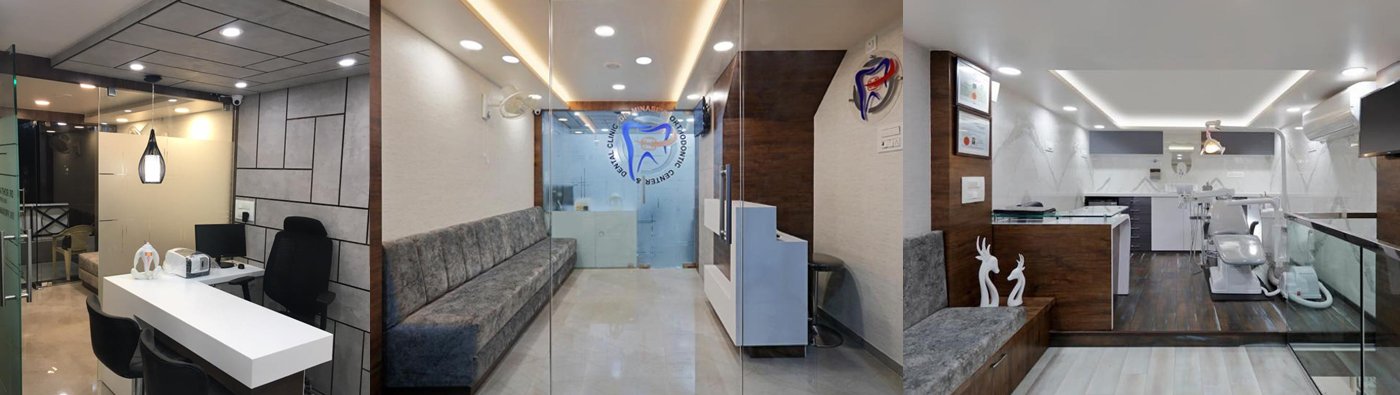
Dr. Minase’s Orthodontic Center & Dental Clinic in Nagpur is a leading provider of comprehensive dental and orthodontic care. Led by expert orthodontists, the clinic specializes in a range of services from Pediatric dentistry to advanced Smile designing for adults. They offer both traditional Teeth Metal Braces and modern Clear Aligners (Invisalign), ensuring they can cater to diverse patient needs. The clinic provides an Affordable Orthodontic consultation and a full spectrum of dental treatments, including Root Canal Treatment, Dental Implants, and cosmetic procedures like Teeth whitening and Crown and Bridges Treatment, making it a one-stop solution for a healthy and beautiful smile.
Symptoms and Causes of an Underbite
The most recognizable symptom of an underbite is a prominent lower jaw and chin, causing the face to appear disproportionate. Other symptoms include:
- Difficulty Biting or Chewing: The misaligned bite makes it hard to properly incise and grind food.
- Speech Problems: An underbite can affect the position of the tongue, leading to a lisp or other speech impediments.
- Jaw Pain: The strain on the jaw muscles and joints from the misalignment can lead to pain and discomfort.
- Excessive Tooth Wear: The incorrect bite pattern can cause abnormal and premature wear on the enamel of the front teeth.
The causes of an underbite are primarily genetic, but other factors can contribute:
- Heredity: The size and shape of the jaw are often inherited. If a parent has an underbite, their child has a higher likelihood of developing one.
- Childhood Habits: Behaviors such as prolonged thumb-sucking, bottle-feeding, or pacifier use, particularly beyond a certain age, can affect the proper development of the jaw and teeth.
- Trauma: An injury to the face or jaw can cause a misalignment that may result in an underbite.
- Tumors: In rare cases, tumors in the mouth or jaw can cause a bite to become misaligned.
Procedure for Underbite Correction Treatment
The process of Underbite correction Treatment begins with a thorough Orthodontic consultation with a Best Orthodontist. The orthodontist will perform a clinical examination and use diagnostic tools like X-rays and digital scans to create a precise diagnosis and personalized Teeth straightening Treatment plan.
Treatment options depend on the patient’s age and the severity of the underbite:
In Children: Early intervention is highly effective because a child’s jaw is still growing. A Best Child Orthodontist may use:
- Jaw Alignment Treatment appliances like a reverse-pull facemask, which gently pulls the upper jaw forward.
- A chin cap to restrict the growth of the lower jaw.
- Palatal expanders to widen the upper jaw, creating more space for proper alignment.
In Teens and Adults: Since jaw growth is complete, the treatment is typically more complex.
- Teeth Metal Braces are a common and highly effective method. A Top Dentist For Teeth Metal Braces will use them to reposition teeth and, with the aid of elastic bands, gradually correct the Bite correction Treatment.
- Clear Aligners (Invisalign): For milder cases, Best Invisalign Orthodontist Doctors may use a series of custom-made, clear trays. These aligners are a discreet alternative for Misaligned teeth Treatment and offer flexibility since they are removable.
- Surgical Tooth Extractions: In cases of Teeth crowding Treatment, a dentist may need to remove certain teeth to create space for proper alignment.
- Orthognathic Surgery (Jaw Surgery): For severe skeletal underbites, a Best Orthodontist may collaborate with an oral surgeon. This procedure involves surgically repositioning the jaw bones to achieve proper alignment.
Following active treatment, wearing an Orthodontic Retainer is crucial to maintain the new position of the teeth and prevent them from shifting back.
FAQs on Underbite Correction Treatment
Q1: How much does underbite correction cost?
A: The Orthodontic treatment cost for an underbite varies widely based on the severity, the age of the patient, and the chosen treatment method. For a specific estimate, it’s best to have an Affordable Orthodontic consultation with a professional.
Q2: Is an underbite the same as a crossbite?
A: No. An underbite is a specific type of malocclusion where the lower jaw protrudes. A Crossbite treatment Treatment refers to a condition where one or more teeth are closer to the cheek or tongue side than their opposing teeth.
3: Can a severe underbite be fixed without surgery?
A: For some severe cases in adults, especially when the jawbone itself is the issue, surgery may be the only way to achieve a proper and stable bite. However, many cases can be corrected with braces, aligners, and other orthodontic appliances, especially when treated early.
Q4: Can clear aligners fix an underbite?
A: Clear Aligners can be effective for correcting mild to moderate underbites. Your orthodontist will determine if you are a good candidate for this treatment based on your individual case.
Q5: How long does the treatment take?
A: The duration of Underbite correction Treatment can range from several months to a few years. Early treatment in children is often shorter than treatment for a more complex case in an adult.